EARTHMOVING
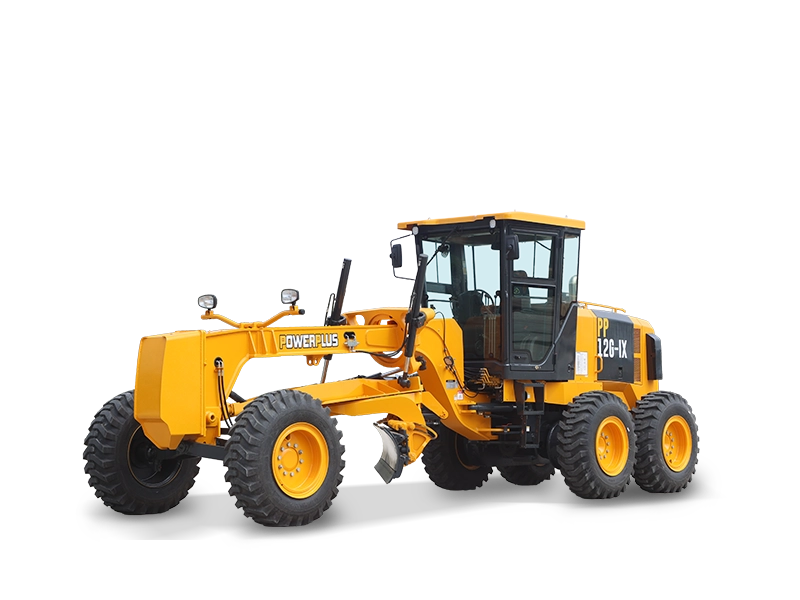

Selecting the right heavy machinery fleet for construction, quarrying, or mining projects is a critical decision for contractors, mine operators, and developers. The chosen machines influence productivity, safety performance, operating costs, and ultimately project deadlines and profit margins.
As a global manufacturer of heavy equipment for construction and mining, POWERPLUS has observed how well‑balanced combinations of excavators, bulldozers, articulated dump trucks, and rigid trucks can transform project performance, and how poor combinations can restrict output.
Key topics covered include:
– Heavy machinery fleet selection for construction and mining
– Mining equipment selection for open‑pit operations
– Matching excavators, dozers, and trucks to production targets
– Choosing between articulated dump trucks and rigid mining trucks
Margins in construction, mining, and infrastructure continue to tighten while safety and sustainability expectations increase. Under‑sized or over‑sized equipment, or machinery misaligned with ground conditions, often leads to:
– Elevated fuel consumption per cubic meter or ton moved
– Longer cycle times and operational bottlenecks
– More frequent breakdowns and unscheduled downtime
– Reduced operator productivity and higher fatigue
– Increased safety risk, especially on difficult terrain
In surface mining operations and large quarries, mining equipment selection directly affects cost per ton, haul road loading, and safety when handling overburden, waste rock, ore, and other materials. Across global fleets, small inefficiencies in load‑and‑haul systems across excavators, bulldozers, articulated dump trucks, and wide body mining dump trucks compound into significant losses over the life of a pit.
A structured heavy equipment selection process helps align machine capabilities with site conditions, materials, and production targets, reducing risk and improving cost control.
– Project type
– Road construction, land development, quarrying, open‑pit mining, mine overburden removal, port development, industrial sites, and urban infrastructure.
– Material characteristics
– Soft soil, clay, mixed fill, rock, aggregates, overburden, waste rock, ore, or tailings.
– Productivity targets
– Required cubic meters or tons per day, week, or month.
– Project duration
– Short‑term assignments versus multi‑year operations or life‑of‑mine plans.
– Site and pit conditions
– Haul distances, gradients, turning space, overhead obstacles, access roads, ramps, and working platforms.
Support from the original equipment manufacturer and its distribution network is equally critical. Backed by a global POWERPLUS dealer family, regional partners, and 24/7 technical assistance, fleets in remote operations can rely on consistent parts availability, field service, and application guidance before and after delivery. With this foundation in place, a clearly defined project profile becomes the basis for a structured heavy machinery fleet plan, aligned with production targets and cost‑per‑ton objectives, rather than informal or ad‑hoc equipment lists.
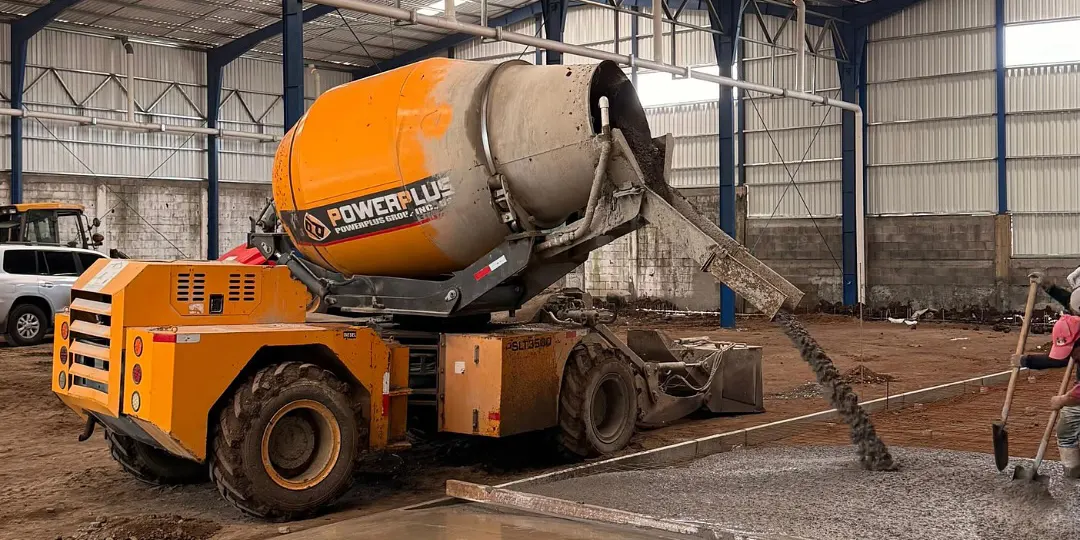
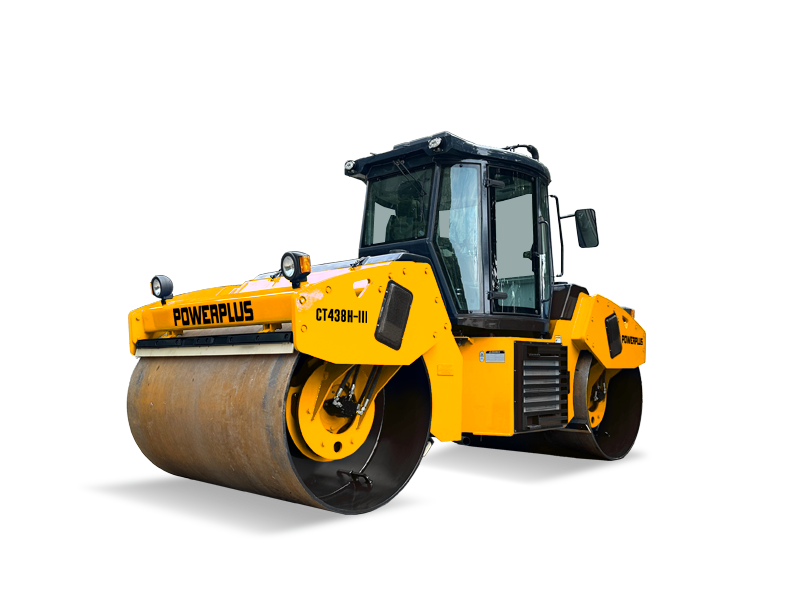
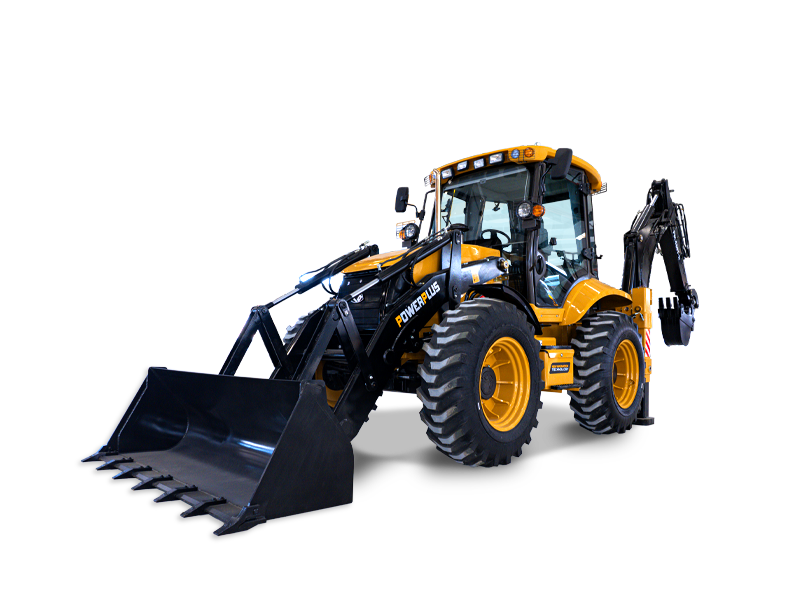
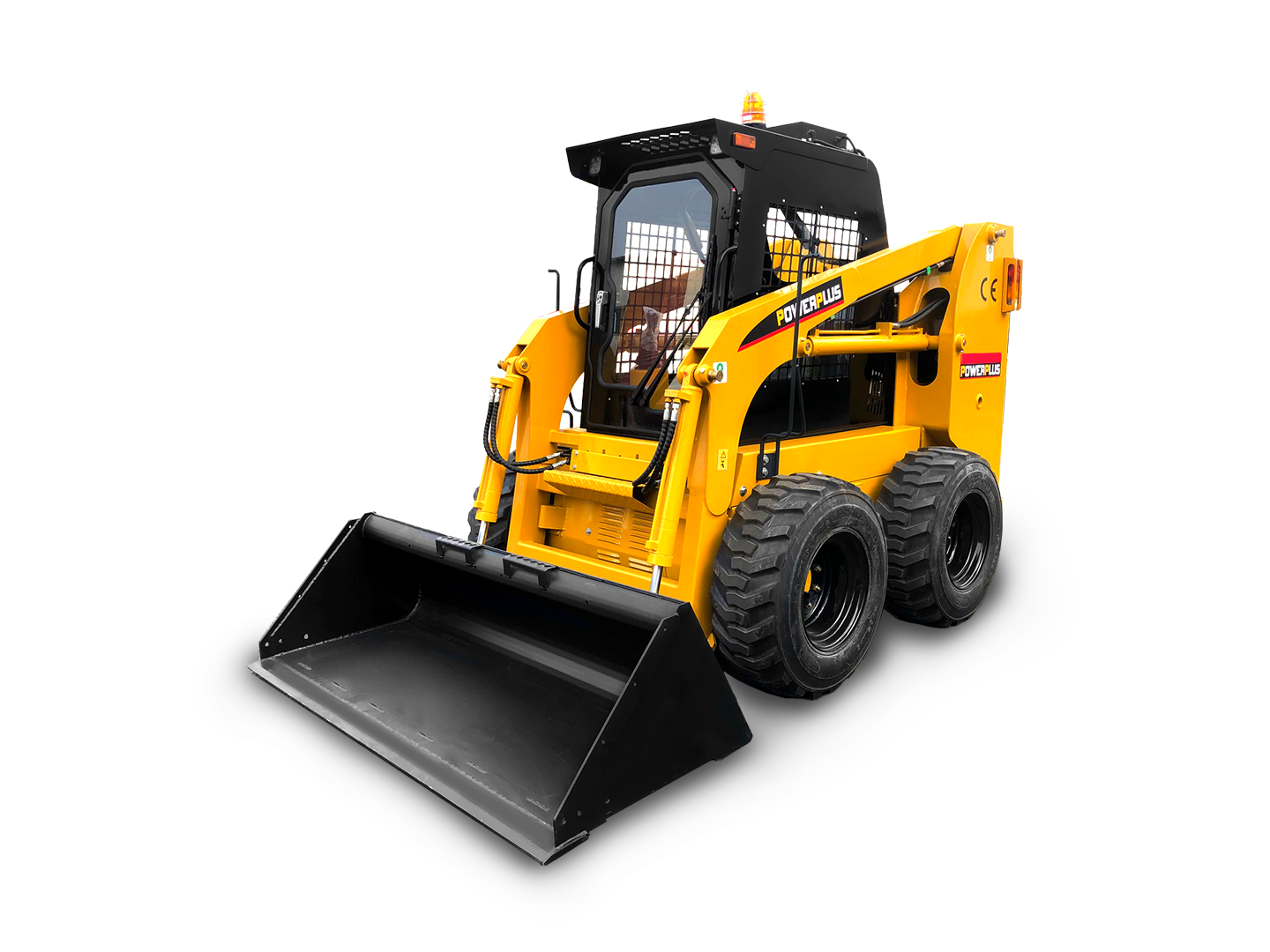
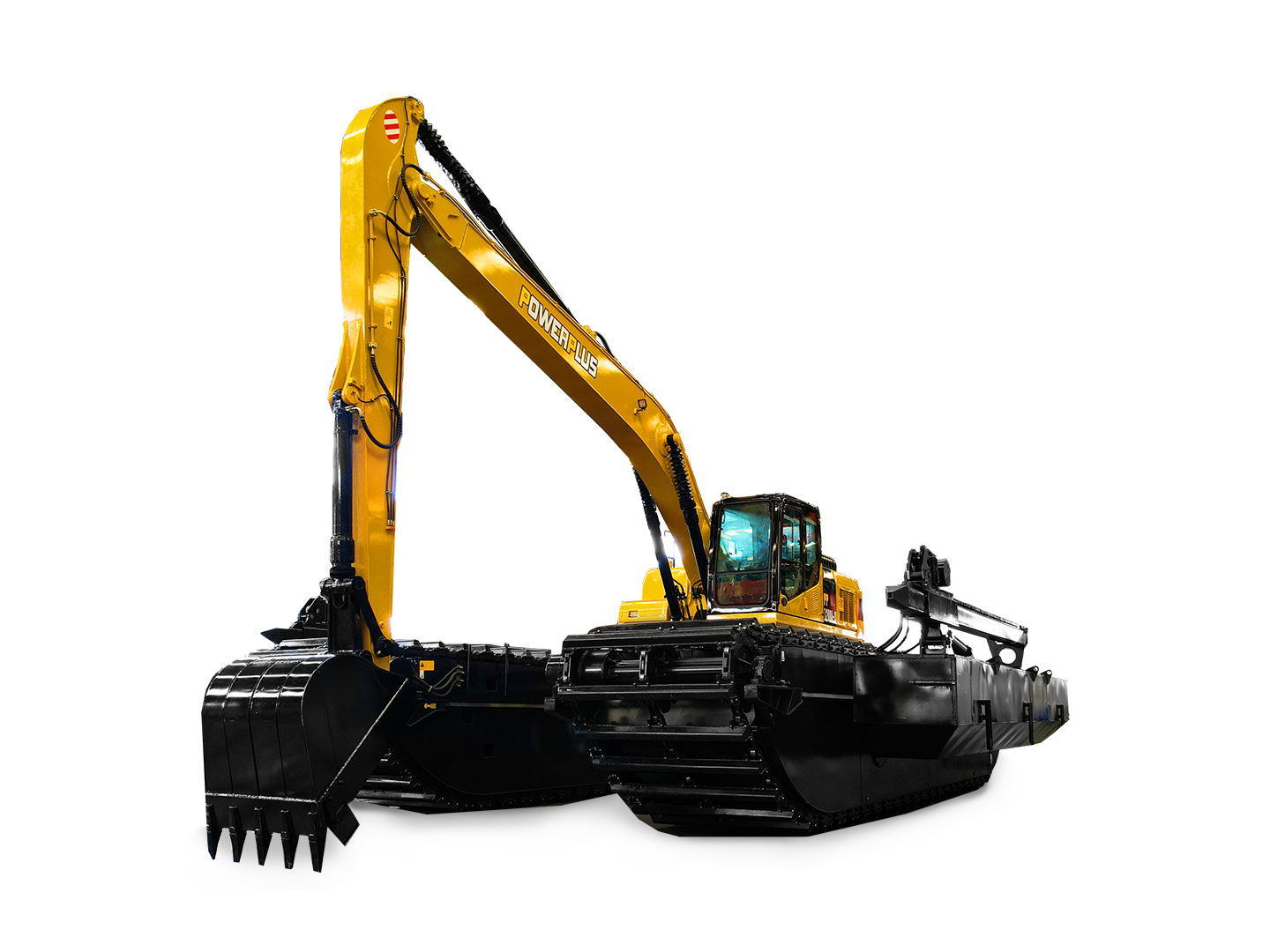
Most earthmoving and mining projects rely on a familiar set of machine types. POWERPLUS, as an manufacturer with a broad portfolio, provides a comprehensive and one-stop solutions package.
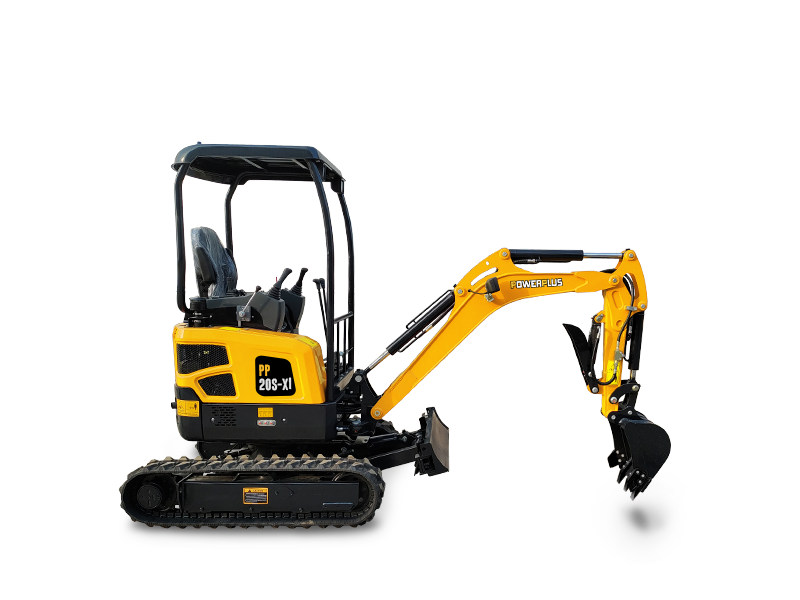
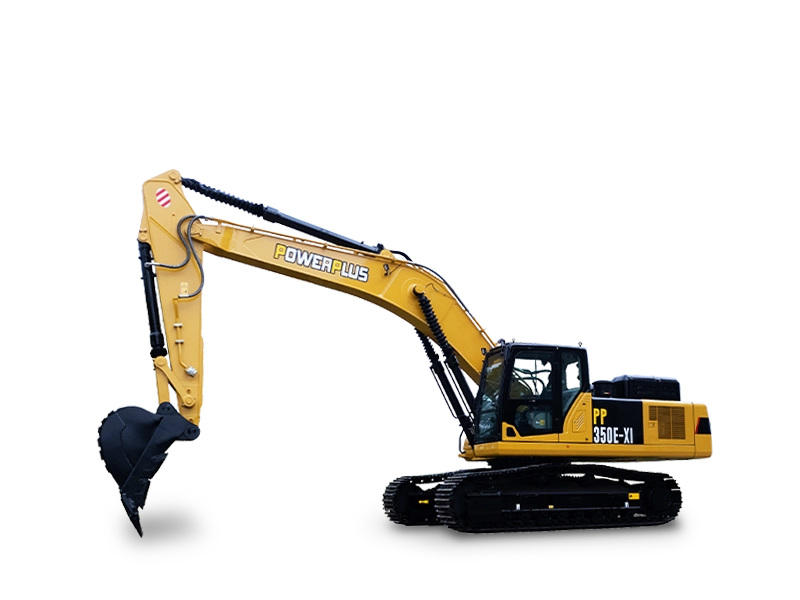
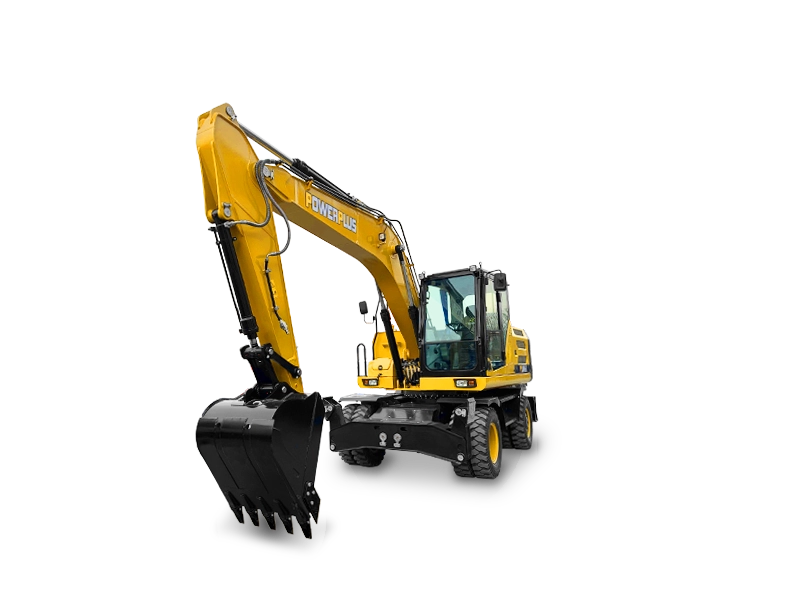
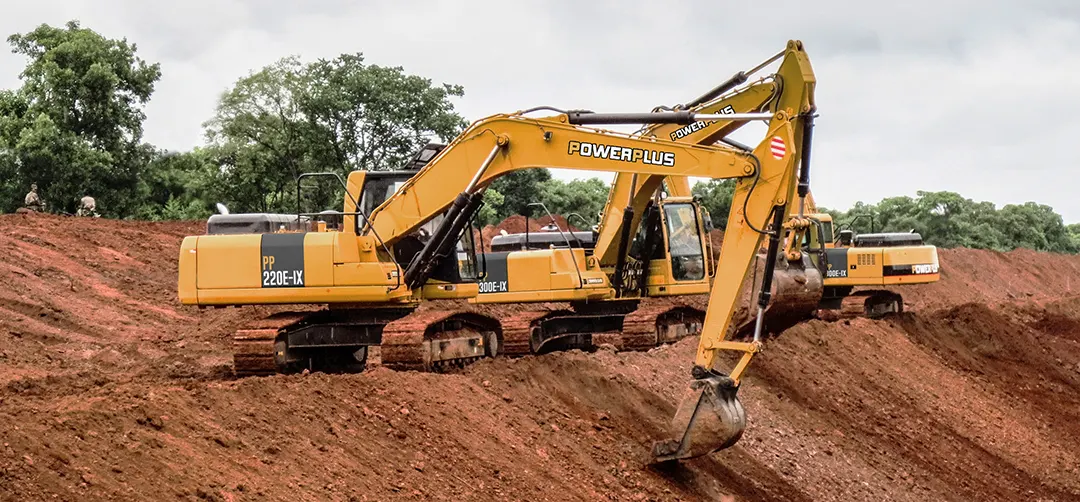
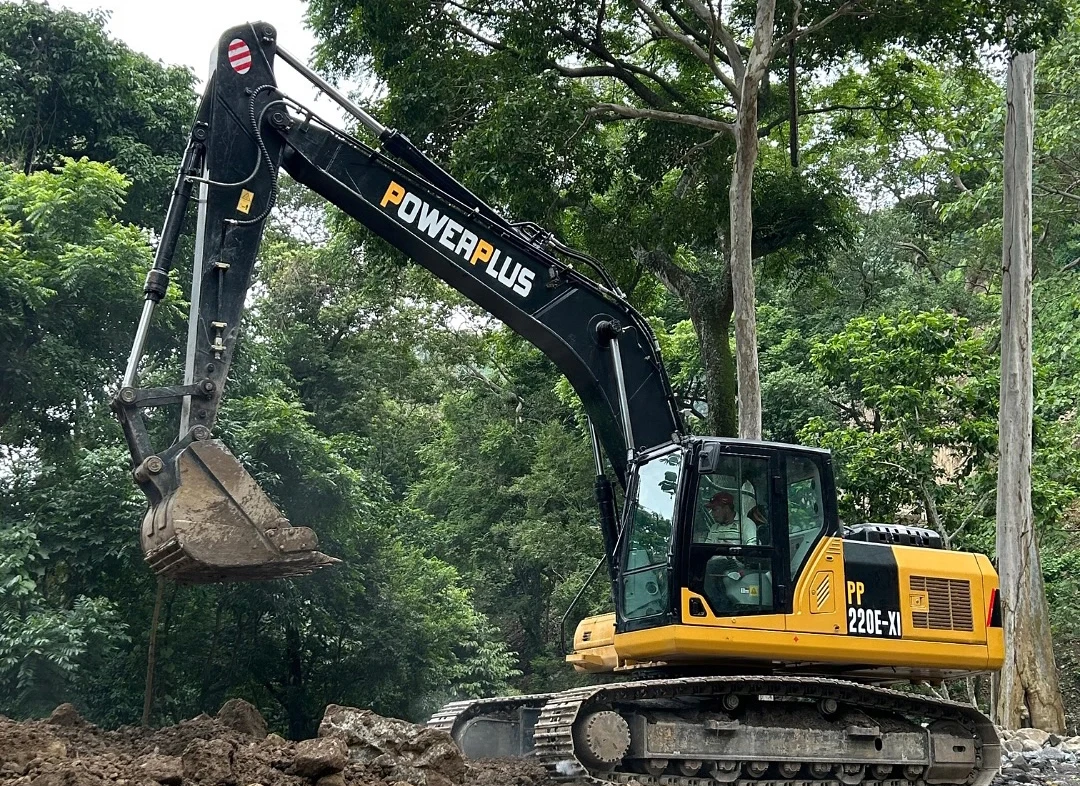
Excavators serve as primary digging and loading machines across construction and mining applications. Crawler excavators undertake trenching, bulk excavation, slope cutting, and truck loading tasks.
Selection factors:
– Operating weight and bucket capacity
– Digging depth and reach requirements
– Undercarriage type suited to ground conditions
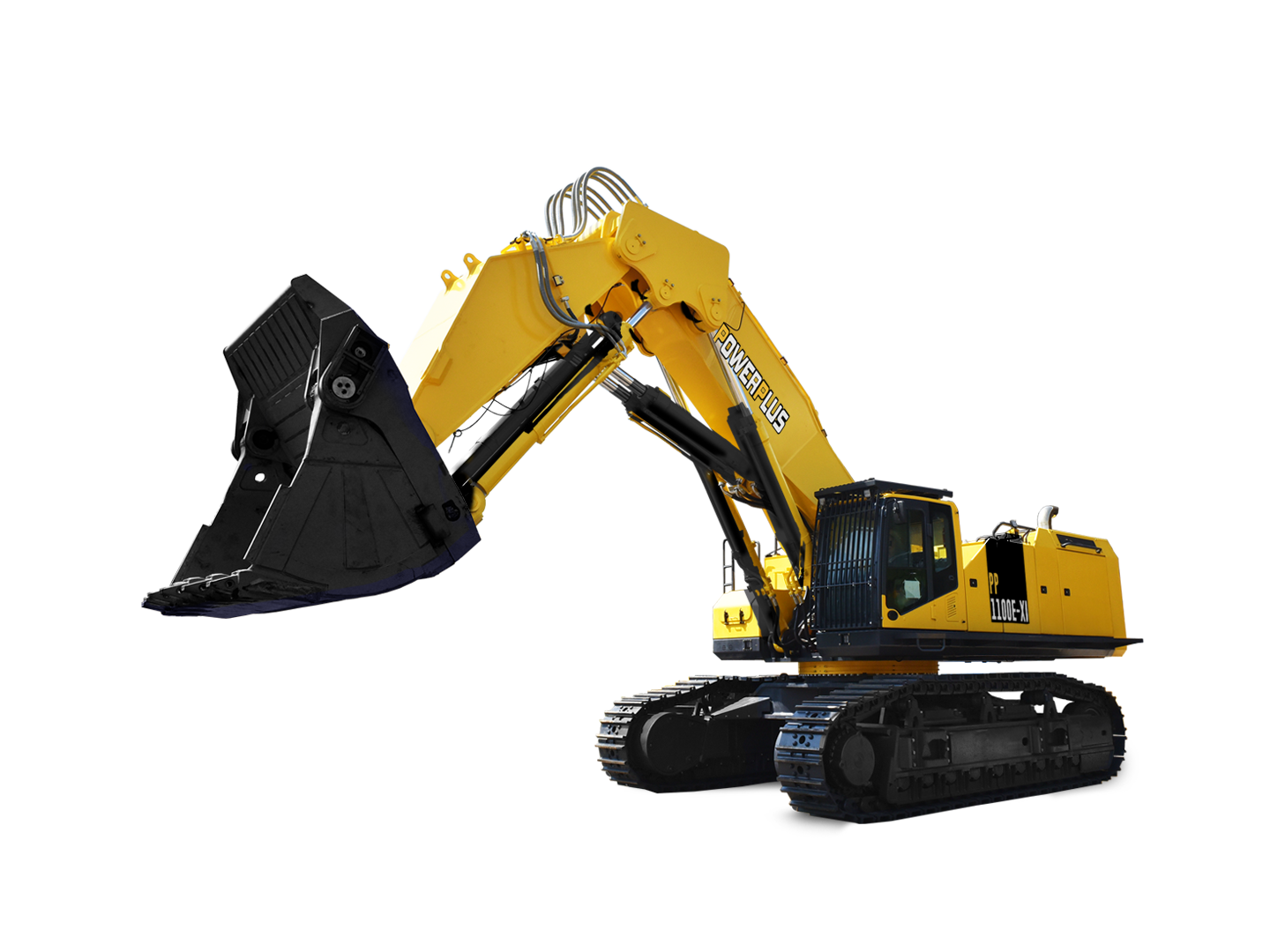
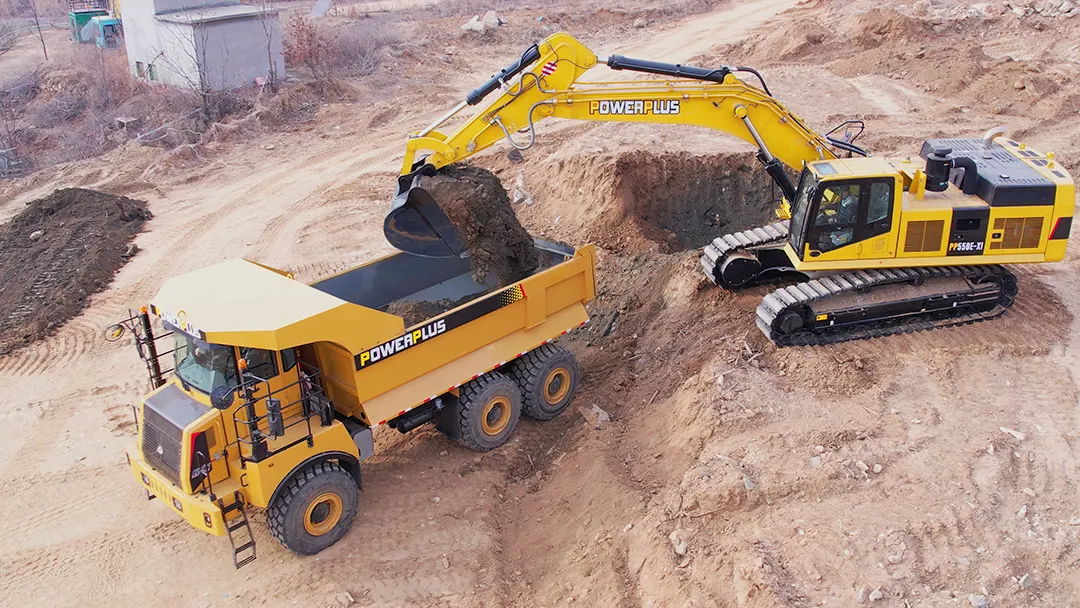
In mining, large crawler excavators act as principal loading units at the face. Correct sizing of mining excavators relative to benches, blast patterns, and truck fleets is crucial for consistent load‑and‑haul productivity in open‑pit mines. POWERPLUS excavators are engineered with matched truck combinations in mind, allowing fleets to use compatible buckets and bodies across a single manufacturer’s range.
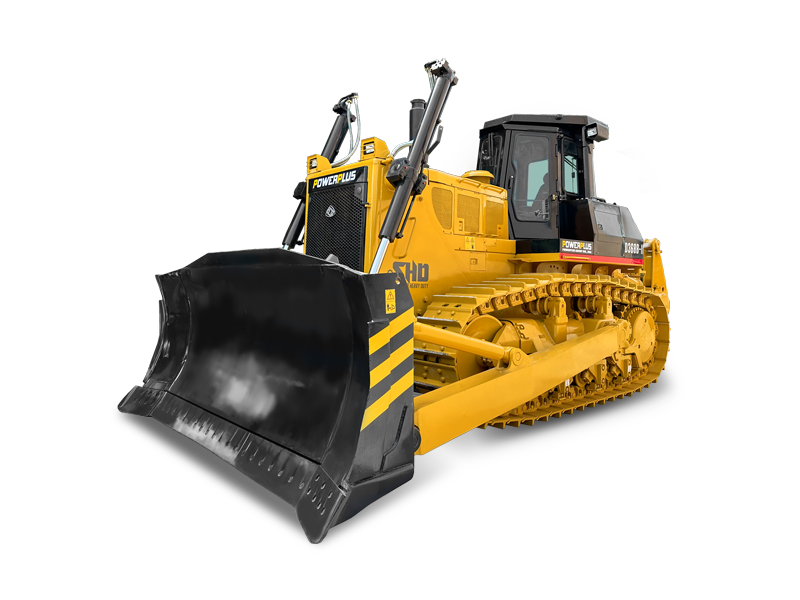
Bulldozers deliver high tractive effort for land clearing, cut‑and‑fill operations, haul road construction, and stockpile or waste dump management.
Key considerations:
– Blade type and capacity
– Operating weight and horsepower
– Undercarriage configuration for standard or low‑ground‑pressure work
On mine sites, dozers rip hard ground, push to crushers and stockpiles, and build or maintain waste dumps and tailings facilities. POWERPLUS dozers are configured with robust frames and heavy‑duty undercarriages to withstand continuous, high‑load applications in overburden and waste areas.
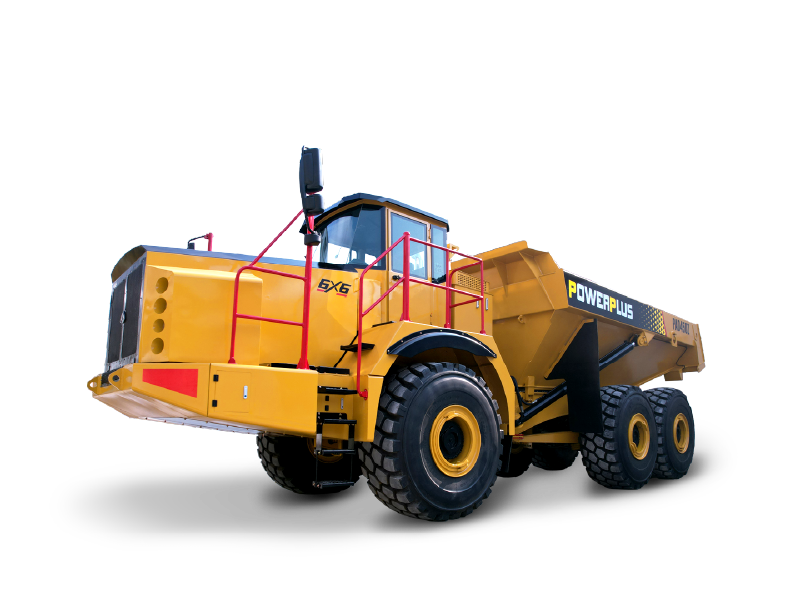
Haulage systems frequently constrain production more than loading units. A key decision involves choosing between articulated dump trucks (ADTs) and rigid mining trucks.
Articulated dump trucks typically:
– Perform well on soft, uneven, or muddy haul roads
– Offer excellent maneuverability via articulated steering
– Suit shorter hauls with variable terrain
– Are common in quarries, road projects, smaller pits, and early‑stage mine development where haul roads remain temporary
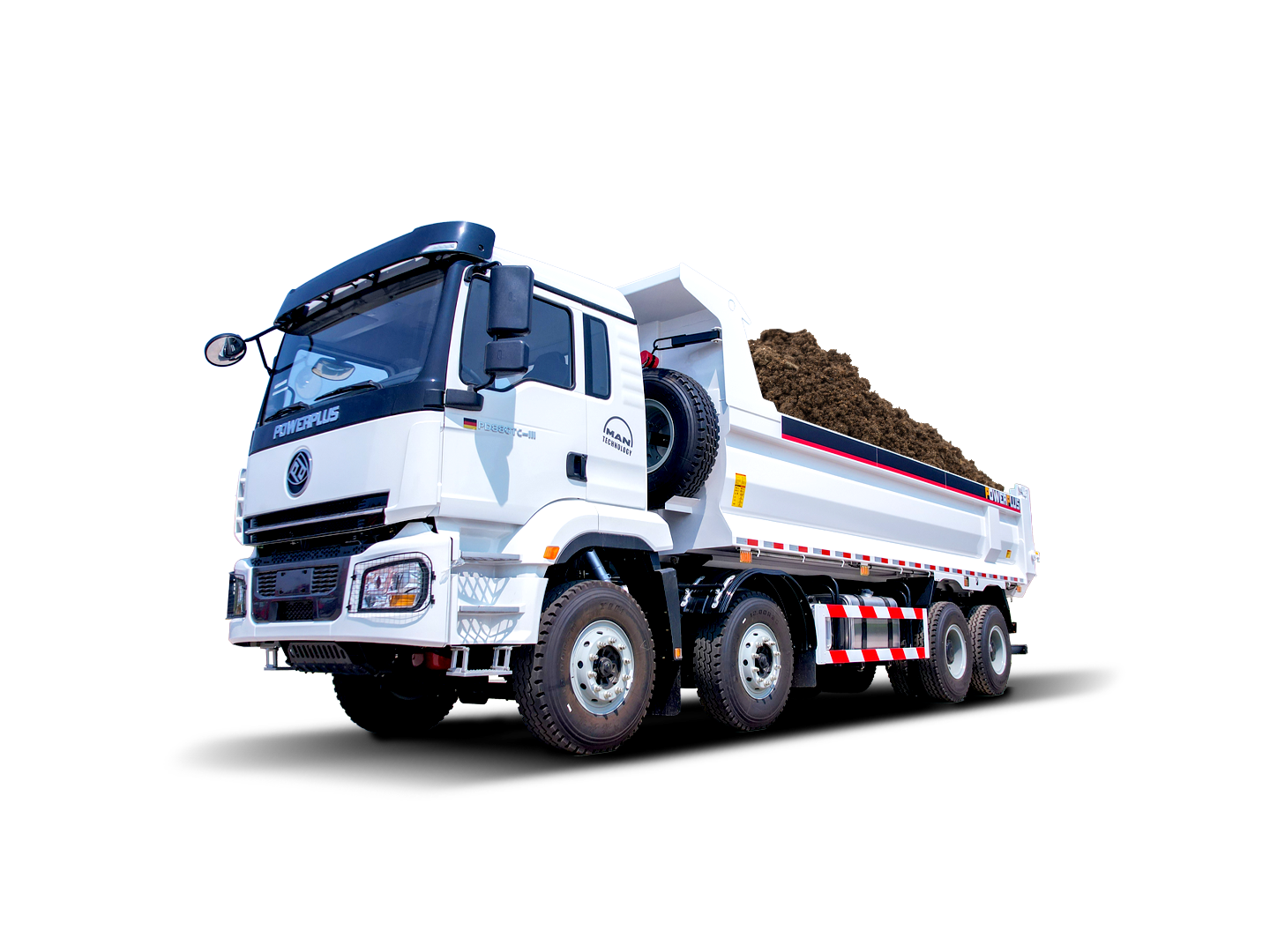
Wide Body Dump Trucks generally:
– Operate on long, well‑engineered haul roads
– Carry higher payloads in large open‑pit mines and major quarries
– Deliver optimal results where ground conditions are controlled and high tonnage is required
Early phases of mining projects with temporary haul roads may favor articulated units for mobility and reduced risk of stuck trucks. As the pit matures and permanent haul roads are established, many operations transition to large rigid mining trucks and wide body dump trucks to lower cost per ton. POWERPLUS designs articulated and off‑highway trucks for these distinct roles, enabling phased fleet evolution within a single manufacturer.
Ground and pit conditions strongly influence heavy equipment selection.
Important factors:
– Ground bearing capacity and drainage
– Haul ramp gradients and curvature
– Space constraints at loading and dumping points
In open‑pit mines, haul road design, bench geometry, and pit floor conditions directly affect mining truck selection and excavator positioning. Steep ramps and wet pit floors often favor articulated units in early phases, while wide, well‑maintained ramps accommodate high‑payload rigid mining trucks more effectively.
POWERPLUS engineering and applications teams frequently collaborate with mine planners to align pit design assumptions with truck and excavator options in the product range, supporting consistent performance from early development through mature production phases.
Equipment availability alone does not guarantee adequate production. Machine capacities must be balanced across the fleet.
Core concepts:
– Harmonizing loading and hauling
– Matching excavator bucket size and truck body volume to achieve efficient pass counts.
– Considering haul distances and cycle times
– Determining the number of trucks required per loading unit to achieve target output.
In open‑pit mining fleet planning, cost per ton becomes a central metric. Balancing mining excavators or hydraulic shovels with appropriately sized rigid mining trucks or ADTs avoids queues at the face and extended idle time at crushers. POWERPLUS designs coordinated loading and hauling equipment, enabling fleets to use matched excavator–truck combinations with targets for passes per load and cycle times.
Headline purchase price captures only part of fleet economics. Total cost of ownership (TCO) incorporates fuel consumption, planned maintenance, unplanned repairs, downtime, consumables, and residual value. In high‑utilization mining fleets, small gains in fuel efficiency, tire life, and component reliability can generate substantial savings over the lifetime of a mining truck fleet. Powertrains, structures, and systems in POWERPLUS machines are specified with this long‑term view, based on demanding construction and mining duty cycles.
TCO assessment typically considers:
– Fuel burn under expected load profiles
– Service intervals and component life
– Availability of parts and trained technicians
– Built‑in features that simplify maintenance and protect components
These factors are supported by POWERPLUS service programs, parts distribution, and training delivered through our global network.
Machine specifications must also support operator performance and safety outcomes.
Key dimensions:
– Cab comfort, ergonomics, and visibility
– Safety systems such as ROPS/FOPS, cameras, and secure access points
– Telematics and monitoring capabilities for fuel, idle time, utilization, and machine health
In multi‑shift construction and mining fleets, supportive operator environments and consistent safety systems contribute directly to productivity and incident reduction. POWERPLUS telematics options provide data for fleet managers seeking to optimize operating practices, adjust deployment, and schedule maintenance based on actual usage.
Effective heavy machinery fleet selection is a structured process anchored in project requirements, site conditions, and defined production and cost targets.
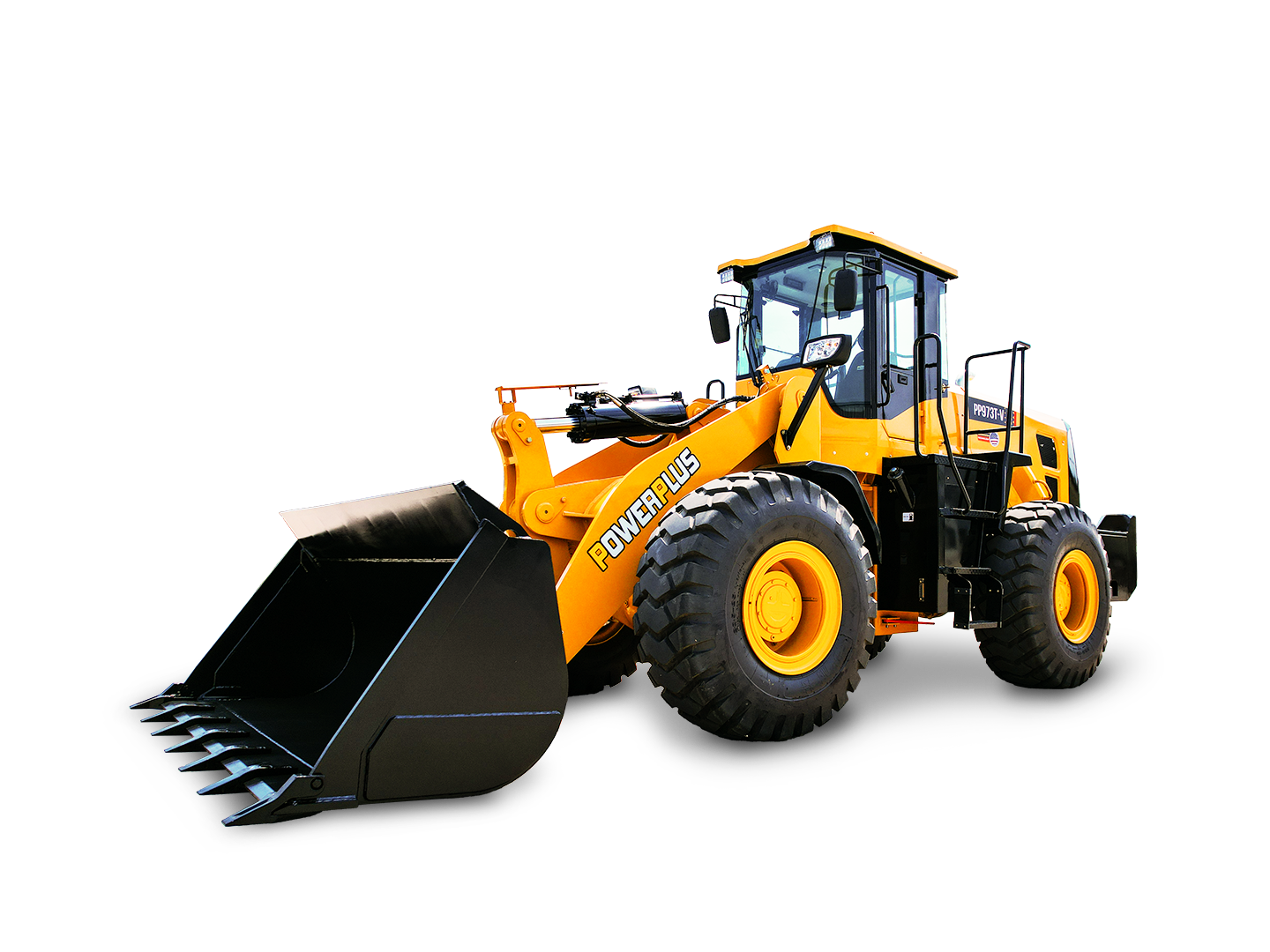
With a full line of excavators, bulldozers, articulated dump trucks, rigid mining trucks, wheel loaders, and graders, POWERPLUS designs and configures machines for demanding construction, quarrying, and mining environments, and supports these fleets through their full lifecycle via an international network. Across road projects, quarry operations, and large‑scale open‑pit mines, the same principles apply: match machine categories and sizes to conditions, balance loading and hauling capacity, and evaluate total cost of ownership alongside availability and safety.
For upcoming projects where a new or expanded fleet is under consideration, POWERPLUS specialists are available to review project parameters, examine fleet options, run basic productivity estimates, and propose matched machine combinations tailored to specific sites and regions.
Contact us now to learn how we can customize and tailor your fleet solutions!
POWERPLUS Group Inc., USA, is a leading global manufacturer of a comprehensive range of construction and mining equipment, with clientele spanning across 100 countries and 6 continents. Established more than 50 years ago, POWERPLUS Group has evolved into a world-renowned organization that offers heavy machinery unparalleled in price, quality and performance.
POWERPLUS machinery are manufactured to withstand extreme conditions and rugged terrains, exceeding the most stringent international quality and safety standards. The POWERPLUS Research & Development team, based in the United States, has been the backbone driving its innovative engineering solutions.
Optimizing the best of technology from the United States, Europe and Japan, POWERPLUS machinery is configured to its ideal technical capabilities. A multinational team of engineers analyses the data collected from our network of distributors worldwide and are on the constant lookout for ways to maximize the life-span of POWERPLUS machinery.